The Round of 32 gave this expanded World Cup its first real knockout identity. The group stage had already delivered surprises, but this was different. No permutations, no second chances, no safety net. Win and move on. Lose and the tournament is over.
Across the first knockout round, the big story was not just who advanced, but how unevenly the pressure was handled. France and Spain looked ruthless. Argentina survived a scare. Canada found a late moment. Paraguay and Morocco produced the biggest shocks. Germany and the Netherlands were gone before the last 16 had even begun.
Surprise Results
Paraguay’s penalty shootout win over Germany was the shock of the round. Germany had looked strong enough to move through, but Paraguay dragged the game into uncomfortable territory and then held their nerve from the spot. A 1-1 draw followed by a 4-3 shootout win was exactly the kind of result that makes knockout football so brutal: one of the traditional giants eliminated by a team that simply refused to blink.
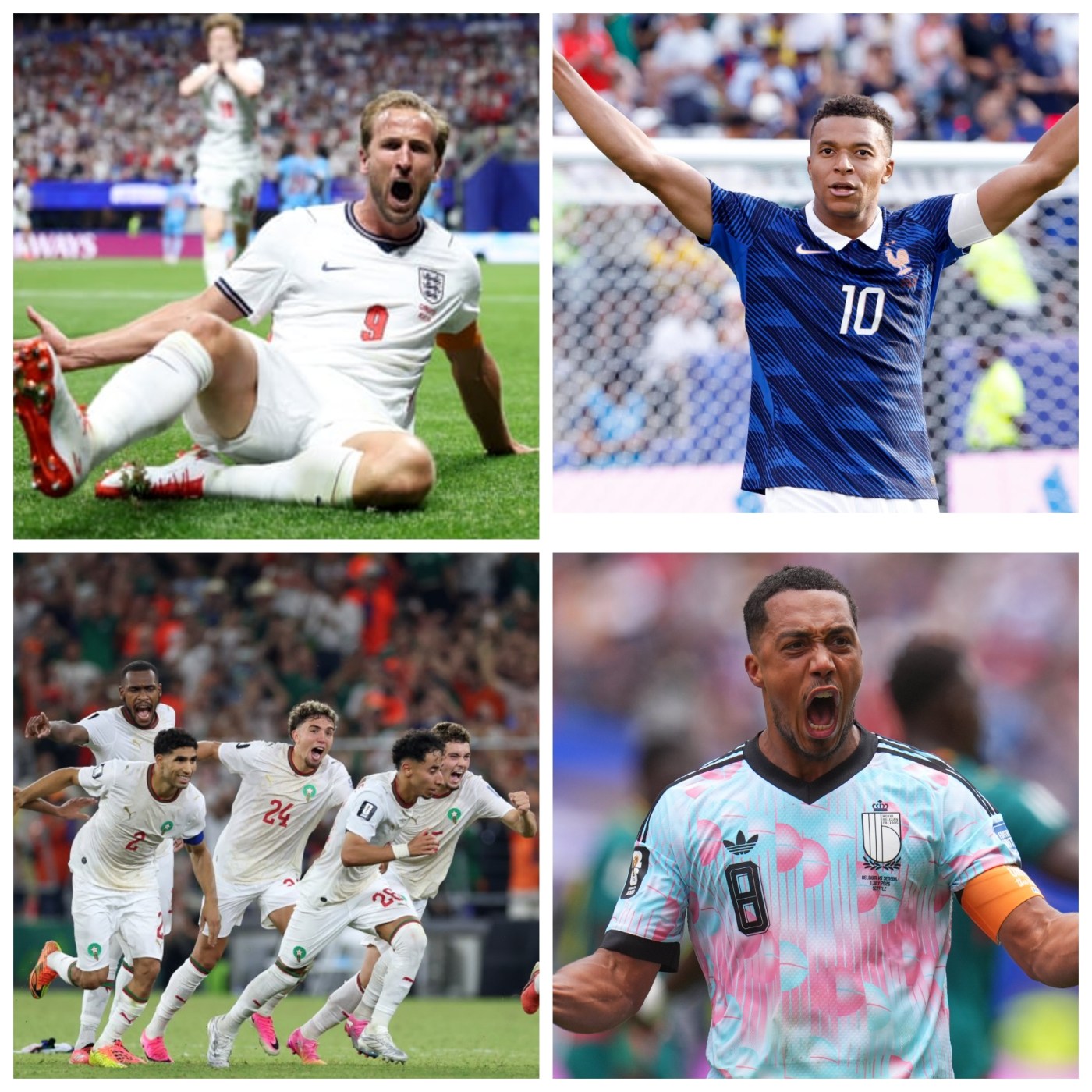
Morocco’s penalty win over the Netherlands was another huge result. The Dutch had attacking quality and came into the tie with real momentum, but Morocco stayed in the game, recovered from Cody Gakpo’s opener and then won the shootout 3-2. This was not a fluke. Morocco have become a serious tournament side, built on discipline, belief and emotional resilience.
Canada’s 1-0 win over South Africa also deserves mention. It was tight, tense and decided late, but that is exactly what makes it significant. Canada did not play with complete control, but they found a way through and kept their home tournament alive.
Egypt’s penalty win over Australia was another major moment. A 1-1 draw turned into a 4-2 shootout victory, giving Egypt a historic knockout-stage win and setting up a meeting with Argentina.
Star Players
Kylian Mbappé was the standout individual performer of the round. His brace in France’s 3-0 win over Sweden made the result feel inevitable. Sweden were competitive in spells, but Mbappé gave France the kind of final-third authority that separates contenders from everyone else.
Lionel Messi was central again for Argentina in their dramatic 3-2 win over Cape Verde. Argentina were pushed far harder than expected, but Messi’s opener settled nerves and reminded everyone that even when Argentina look vulnerable, they still carry one of football’s great match-winners.
Stephen Eustáquio produced Canada’s defining moment, scoring deep into stoppage time to beat South Africa 1-0. Jonathan David and Alphonso Davies may attract more global attention, but Eustáquio’s timing, composure and importance to Canada’s midfield made him one of the round’s key figures.
Jhon Arias gave Colombia the decisive edge against Ghana. His early goal proved enough in a tight 1-0 win, and his movement helped Colombia start the match with the urgency needed in knockout football.
Harry Kane was decisive for England in their 2-1 win over DR Congo. In a knockout game where England needed composure more than fireworks, Kane gave them exactly that: a focal point, leadership and the finishing presence to help drag them through a difficult tie. England have not always looked fully convincing, but Kane remains their most reliable tournament reference point.
Ones to Watch
Morocco are impossible to ignore now. Beating the Netherlands on penalties reinforced what the group stage had already suggested: they are built for tournament football. They can suffer, defend, compete physically and still carry enough attacking threat to hurt bigger-name teams.
Canada’s run also has real energy behind it. A late winner in a home knockout game can transform the emotional feel around a team. They now face Morocco with belief, momentum and a crowd that will feel fully invested.
Norway continue to look dangerous after beating Côte d’Ivoire 2-1. Their group-stage goals showed attacking threat, and this knockout win proved they can translate that into pressure football.
Colombia also deserve attention. Their 1-0 win over Ghana was controlled rather than spectacular, but that is often what matters in knockout rounds. They look mature, balanced and hard to break down.
Underachievers
Germany are the biggest underachievers of the round. Losing on penalties is always cruel, but going out at the Round of 32 stage will feel like a major failure. The result against Paraguay raises familiar questions about tournament composure and whether Germany still have the ruthless edge that used to define them.
The Netherlands also leave with regret. They had the lead against Morocco and enough attacking quality to manage the tie, but failed to kill the game and then lost control of the emotional battle in the shootout.
Australia were another side left frustrated. Taking Egypt to penalties gave them a chance, but missed spot-kicks ended their tournament in the harshest way possible.
Unsung Heroes
Achraf Hakimi was vital for Morocco against the Netherlands. The shootout will take the headlines, but Hakimi’s experience, composure and defensive intelligence helped Morocco survive the difficult spells before penalties.
Gustavo Gómez deserves huge credit for Paraguay. Against Germany, leadership at the back mattered as much as anything in possession. Paraguay needed calm, organisation and defensive authority, and Gómez gave them that platform.
Ramy Rabia was excellent for Egypt against Australia. In a match built on tension rather than fluency, his defending and penalty composure helped Egypt through one of the biggest nights in their World Cup history.
Lisandro Martínez also deserves mention for Argentina. Cape Verde made life uncomfortable, but Martínez’s aggression, recovery defending and presence in key moments helped Argentina survive a game that could easily have become a disaster. His goal also proved crucial for Argentina.
Manuel Akanji was important for Switzerland in their 2-0 win over Algeria. Switzerland rarely attract the loudest headlines, but Akanji’s control and defensive calm are a big reason they continue to look like a difficult knockout opponent.
Final Takeaway
The Round of 32 gave this World Cup a sharper edge. France, Spain and Mexico looked convincing. Argentina and Portugal survived tests. The United States and Belgium handled pressure well. Colombia and Switzerland moved through with quiet authority.
But the round will be remembered most for the exits. Germany and the Netherlands leaving before the last 16 is a major twist. Paraguay and Morocco did not just advance; they changed the shape of the tournament.
That is what knockout football does. It strips away reputation and rewards moments. A late winner, a saved penalty, one defensive lapse, one burst of quality — that is enough to change everything.
The last 16 now has a very different feel. Some giants remain, but the bracket no longer belongs only to them.


Leave a Reply