The first sweep of group-stage fixtures has already given this World Cup a mood. Not a settled identity, not yet, but a pulse. The opening round carried that familiar tournament contradiction: caution everywhere, yet drama waiting for the first loose touch, the first broken press, the first favourite forced into discomfort. Some teams arrived with authority. Others looked like they were still adjusting to the size of the stage. A few outsiders refused to behave like guests.
Across the groups, the first matches offered tension, shocks, early statement wins and the first signs of players beginning to shape the tournament narrative. Germany and Argentina looked sharp. France looked serious. England looked dangerous. Brazil, Spain, Portugal and Belgium were reminded that reputation does not win group games on its own.
Surprise Results
Brazil’s 1-1 draw with Morocco was the first major jolt. Not because Morocco should still be viewed as underdogs in the old sense — their recent tournament pedigree has earned more respect than that — but because Brazil were expected to impose themselves with greater authority. Instead, Morocco made the game awkward, physical and emotionally charged. Their midfield squeezed space, their defenders refused to get dragged out too easily, and their transitions carried enough threat to stop Brazil camping in total comfort.
For Brazil, the warning was not the scoreline alone. It was the lack of sustained control. They had possession, but not rhythm. They had talent, but not enough collective sharpness in the final third. In tournament football, that difference matters.
Spain’s 0-0 draw with Cape Verde was arguably even more striking. Spain can often make sterile dominance look like a philosophical choice, but this felt less like control and more like limitation. Cape Verde defended with intelligence, stayed compact between the lines and refused to be seduced into chasing the ball endlessly. They protected central areas, forced Spain wide, and made every final-third action feel crowded.
Portugal’s 1-1 draw with DR Congo also carried significance. Portugal have enough attacking quality to overwhelm most opponents, but DR Congo turned the match into something far less comfortable: physical duels, second balls, broken rhythm and emotional resistance. It was the kind of result that can quietly reshape a group.
Belgium’s 1-1 draw with Egypt belongs in the same conversation. Egypt were organised, stubborn and streetwise, while Belgium looked technically neat without ever fully imposing menace. For a team still balancing old experience with new energy, it was a reminder that tournaments expose hesitation quickly.
Best Matches
England’s 4-2 win over Croatia may have been the most entertaining match of the first round. It had goals, momentum swings and enough defensive uncertainty to keep both benches uncomfortable. England’s attacking structure was impressive when it clicked: runners between full-back and centre-back, quick combinations around the box, and a willingness to attack Croatia before their midfield could settle into its usual rhythm.
Croatia, as ever, showed craft and pride. They did not disappear from the contest, and their ability to punish loose defensive moments kept England honest. But England’s attacking output was significant. Scoring four against Croatia in a tournament setting is never routine.
The Netherlands’ 2-2 draw with Japan was another standout. It felt like a tactical argument between Dutch structure and Japanese tempo. The Netherlands had spells of control, but Japan’s pressing intelligence and speed through midfield repeatedly disturbed them. Japan were brave enough to play forward under pressure and sharp enough to punish moments of Dutch looseness.
France’s 3-1 win over Senegal also deserves mention. It was not a goal-fest in the same way as England-Croatia, but it was a high-level contest between two athletic, tactically serious teams. Senegal tested France physically and emotionally, yet France carried the calm of a side that understands tournament management. They absorbed pressure, picked their moments and finished with authority.
Germany’s 7-1 demolition of Curaçao was the loudest statement. The gap in quality was clear, but Germany’s intensity still stood out. They did not treat the match as a formality. They attacked the spaces early, counter-pressed aggressively and kept pushing after the result was secure.
Star Players
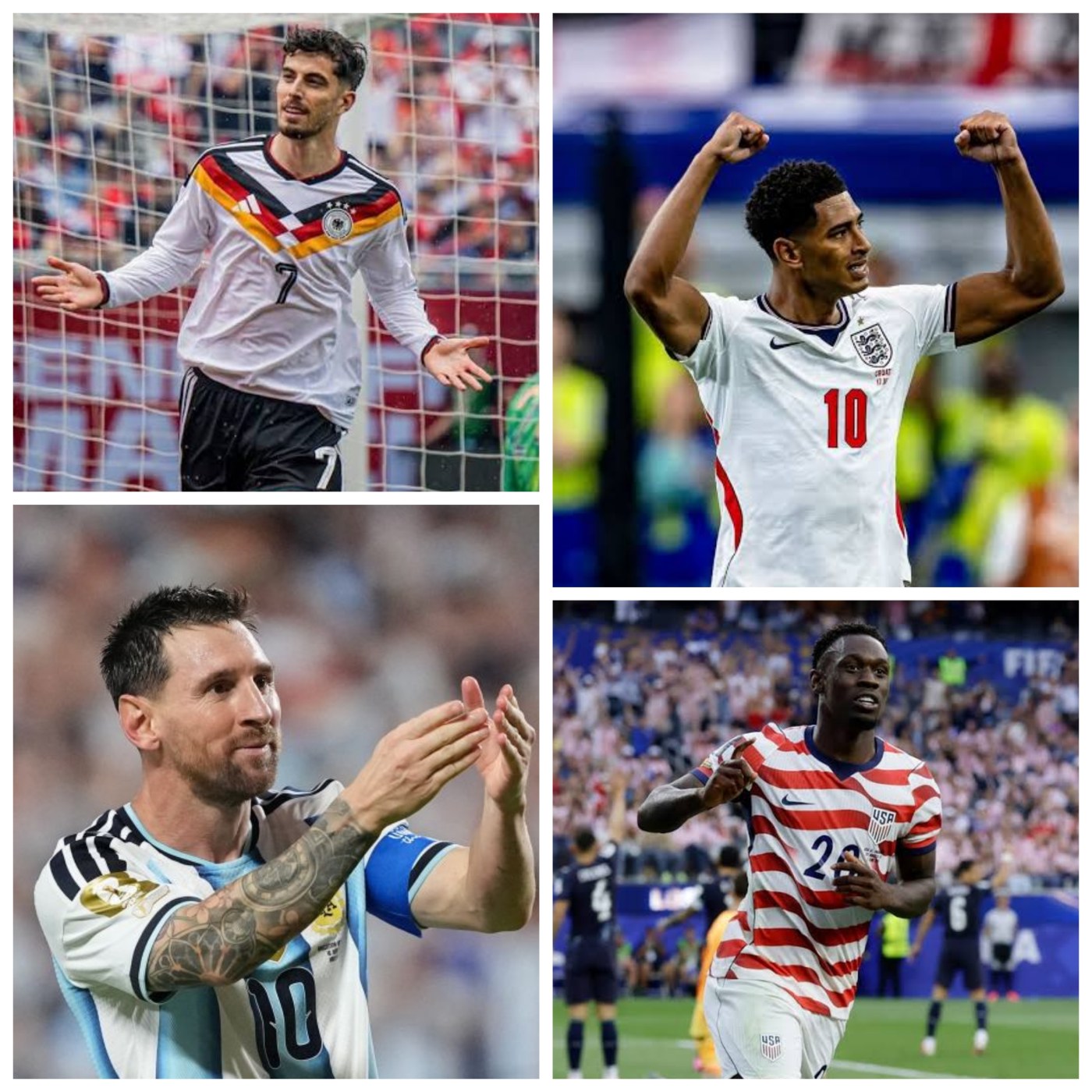
Lionel Messi’s influence in Argentina’s 3-0 win over Algeria was another reminder that tournament football still bends around his rhythm. He no longer needs to dominate every minute to define a match. Instead, he chooses moments: drifting into pockets, slowing the tempo, drawing defenders towards him and releasing the pass at the exact point the structure begins to crack. Argentina looked controlled and mature, but Messi gave that control its imagination.
Jude Bellingham was central to England’s most convincing spells against Croatia. His value is not only in moments of power or personality, but in how completely he changes the emotional rhythm of a midfield. He presses like a player trying to win the ball back personally, carries it like a No. 10, and arrives in attacking spaces with the timing of a second striker. In a match that could easily have become stretched and chaotic, Bellingham gave England force, control and belief.
Folarin Balogun’s performance in the USA’s 4-1 win over Paraguay was another eye-catching display. His movement gave the American attack a sharper edge, especially when he stretched the back line and opened pockets for runners behind him. The USA looked dynamic, and Balogun’s presence helped turn their attacking speed into something more purposeful.
Kai Havertz was influential in Germany’s big win, offering the blend of height, timing and technical softness that makes him such a strange but useful attacking weapon. He drifts rather than storms, but that movement can be difficult to track. Against Curaçao, he helped Germany connect midfield dominance with penalty-box threat.
Ousmane Diomande also deserves recognition. Centre-backs rarely become early tournament headline figures unless they score or make a dramatic mistake, but Diomande’s authority stood out. His defensive timing, recovery pace and calm distribution gave his side security. In a tournament where transitions can decide matches, defenders who can win duels and still play through pressure are priceless.
Teams to Watch
Japan look like a team who could grow quickly into the competition. Their 2-2 draw with the Netherlands showed a side comfortable without needing long spells of possession. They press intelligently, attack with speed and have enough technical quality to play through pressure rather than simply survive it.
Canada’s 1-1 draw with Bosnia also hinted at a team with more to offer. It was not spectacular, but it was mature. They avoided defeat, stayed organised and showed enough athleticism to trouble opponents later in the group. Tournament rhythm often comes from not losing your first match.
Morocco remain dangerous. Their draw with Brazil was not just a defensive effort; it was a statement of belief. They have the compactness, emotional energy and transition threat to make any match uncomfortable.
Underachievers
Brazil will not panic, but they will know their opener lacked authority. Their issue was not talent. It was tempo, spacing and the ability to turn possession into sustained pressure. They need quicker movement around the box and more urgency from midfield in the next round.
Spain’s concern was more structural. Against Cape Verde, they had the passing patterns but too few players willing to break them. They need runners beyond the ball, quicker switches and more risk in the final third.
Portugal must also sharpen. The draw with DR Congo suggested a team still searching for the right balance between control and directness. Too often, their possession lacked punch until the game had already become uncomfortable.
Belgium, meanwhile, need greater verticality. Egypt did well, but Belgium’s senior attackers must bring more personality and penetration if they are to become more than a tidy possession side.
Unsung Heroes
Cape Verde’s defensive unit deserves huge credit for the goalless draw with Spain. Their centre-backs protected the box, the midfield screened passing lanes, and the full-backs defended with patience rather than panic. It was a collective act of concentration.
DR Congo’s midfield workers were just as important against Portugal. They disrupted rhythm, competed for second balls and stopped Portugal turning the match into a clean technical exercise.
For England, the quieter value came from the players who kept attacks alive after Croatia’s clearances. Those second-ball wins prevented Croatia from resetting and allowed England to sustain pressure.
Morocco’s defensive midfield screen also deserves praise. Against Brazil, they did the awkward work: blocking central passes, delaying counters, and forcing Brazil into less dangerous areas.
Closing
After one round, nobody has taken control of the World Cup — but several teams have already changed the conversation. Germany and Argentina have rhythm. France have authority. England have firepower. Japan, Morocco, Cape Verde and DR Congo have shown that the supposed supporting cast may have serious parts to play.
The opening matches have not settled the tournament. They have made it feel alive.


Leave a Reply